Requirement architecture
Inputs, outputs, states, power, size, cost and integration boundaries become a reviewable block diagram.
Embedded toy electronics
Send the inputs, outputs, power, size and firmware behavior. We return the architecture questions, prototype path, functional-test needs and production module scope.
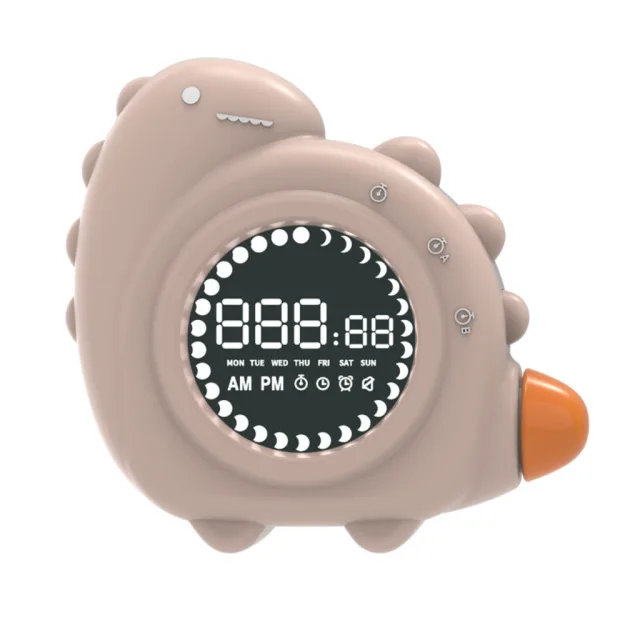
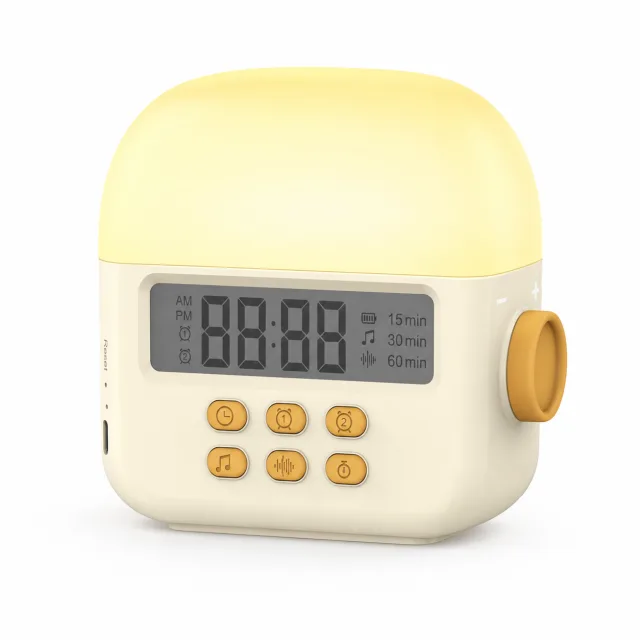
PCBA + firmware + power + production test
A simpler start
A sketch, character, specification or reference product is enough for an initial feasibility review.
Clear portfolio role
Engineer and manufacture embedded toy electronics, PCBAs and modules for brands, publishers and other product manufacturers.
Complete plush, book, player and projector programs appear only as integration examples; the deliverable here is electronics.
What this team solves
Every capability below connects to the same brief, approvals and target launch.
Inputs, outputs, states, power, size, cost and integration boundaries become a reviewable block diagram.
Schematic, board, embedded behavior and update method move through controlled prototype revisions.
Storage, codec, amplifier, speaker, microphone, triggers and audio files are engineered as one signal path.
Cell choice, charging, protection, runtime, access and production checks enter the architecture early.
Buttons, touch, motion, LEDs, displays and actuators are mapped to clear behaviors and test points.
Programming, fixtures, functional limits, traceability and pilot yield protect module manufacturing.
Buyer advantage
The requirement review defines what the electronics must sense, decide and drive in every state. That behavior becomes the basis for prototype, firmware, test fixture and quotation.
Send Electronics BriefApproval-led process
The next stage starts only when the current product decision is documented well enough to protect cost, quality and schedule.
Define the user, environment, product behavior, target market, quantity and launch constraint.
Resolve the product architecture and the assumptions that materially change feasibility or cost.
Test the highest-risk interaction with enough real content and materials to support a decision.
Lock the specification, acceptance criteria, production tests, packaging and ownership schedule.
Use a controlled pilot, inspection plan and versioned files to protect scale-up and delivery.
Interactive buyer tool
Enter board size, power, firmware complexity and required inputs and outputs, then add your details. Send once and we reply with the requirement map, the architecture risks and the prototype questions still open.
Enter the board and firmware assumptions, then add your details. One send returns the requirement map and reaches our PCB engineers.
Working recommendation
One send returns this requirement map and reaches our PCB engineers. It is a planning aid, not a final engineering, cost or compliance decision.
Representative project patterns
These anonymized patterns demonstrate scope and process. Customer names and measured results require publication permission before indexing.
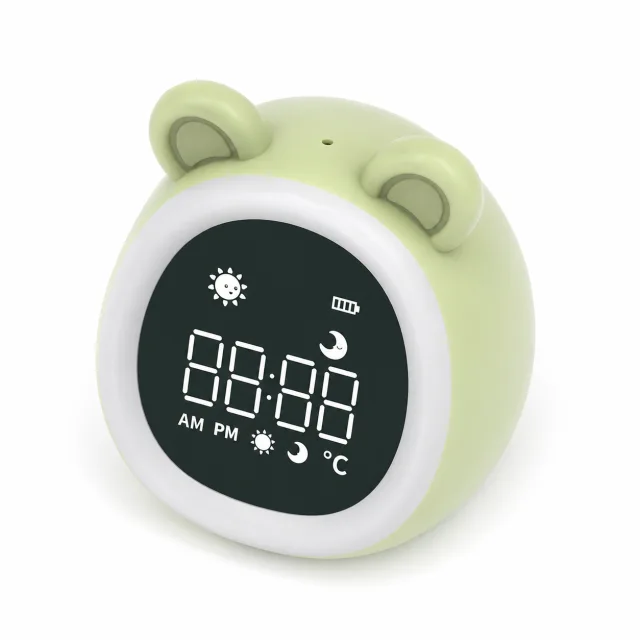
Storage, amplifier, speaker load and triggers clarified before the board was resized.
Review the decision path
Sensors, LED expression, power and firmware states mapped into a functional prototype.
Review the decision path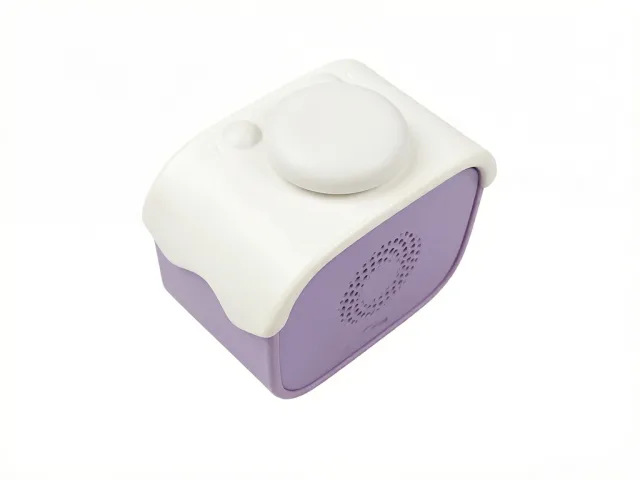
Button matrix, audio files and production programming coordinated around a printed product.
Review the decision pathIndexability gate
Indexed claims require current factory evidence, engineer-reviewed architecture examples, module samples and visible functional-test methods.
Prepare a better brief
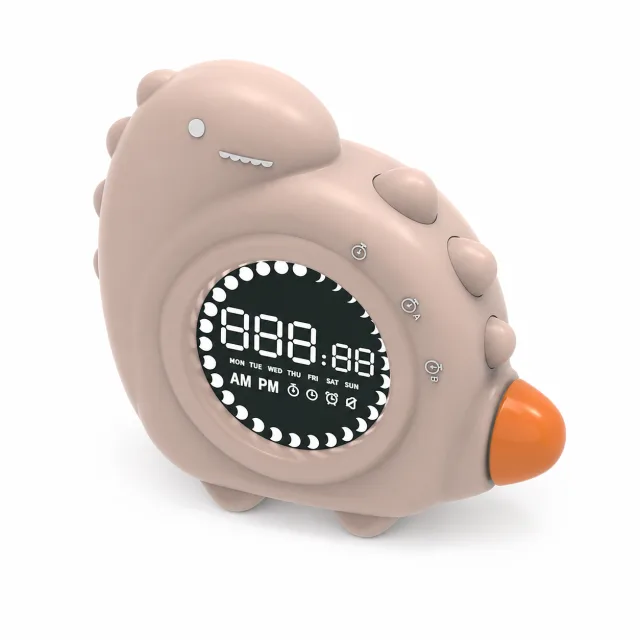
Map every input, output, state and test point.
Use this resource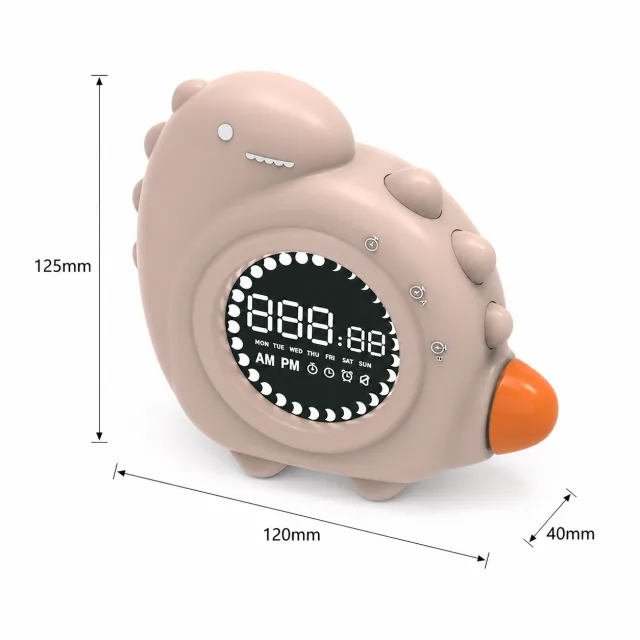
Prepare charging, runtime, access and protection assumptions.
Use this resource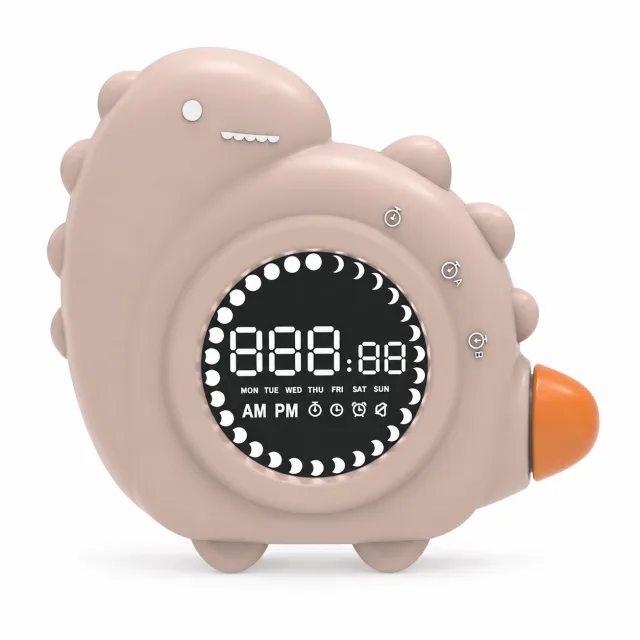
Compare storage, triggers, amplification and update needs.
Use this resourceYes. The scope can stop at an approved programmed and tested PCBA or continue into a module and product integration.
No. A behavior table, feature list or reference product can start the architecture review.
Critical functions receive test points, limits, fixture behavior and programming steps before pilot production.
Ownership of paid custom deliverables follows the signed agreement; pre-existing platforms and reusable background technology remain qualified.
A standard-platform sample may take roughly 7 to 14 days after requirements and files are approved. Custom tooling, electronics, firmware or complex mechanisms receive a project-specific schedule after feasibility.
Who we build for
Brands, publishers and other manufacturers bring us their electronics and we take them to production.





















Common question
Chloe Toy Electronics, a Chloe Toys property, engineers and manufactures embedded toy electronics, PCBAs and modules for brands, publishers and other product manufacturers. You send the inputs, outputs, power, size and firmware behavior, and the team returns the architecture questions, prototype path, functional-test needs and production module scope. Complete plush, book, player and projector programs appear only as integration examples, since the deliverable here is electronics.